
Antonietta D’Angelo
You've started using your blood pressure monitor on your doctor's advice. The numbers on the screen might look confusing. This guide will help you understand what they mean and when to take action.
Monitoring your blood pressure is important. High readings can lead to heart attacks, strokes, and other serious health problems, even if you feel fine. Over time, this can damage blood vessels and organs. The good news? If you catch it early, you can often control it with healthy habits and medication.
What is blood pressure?
Think of your heart and blood vessels as a plumbing system. When your heart beats, it pushes blood through your blood vessels; this is your systolic pressure, or the top number. Between beats, when your heart relaxes, there is still pressure keeping blood moving; this is your diastolic pressure, or the bottom number. Your blood vessels need to handle both the strong surge and the steady baseline pressure. The top number shows the force of each heartbeat. The bottom number shows the pressure at rest.
The best way to record your blood pressure
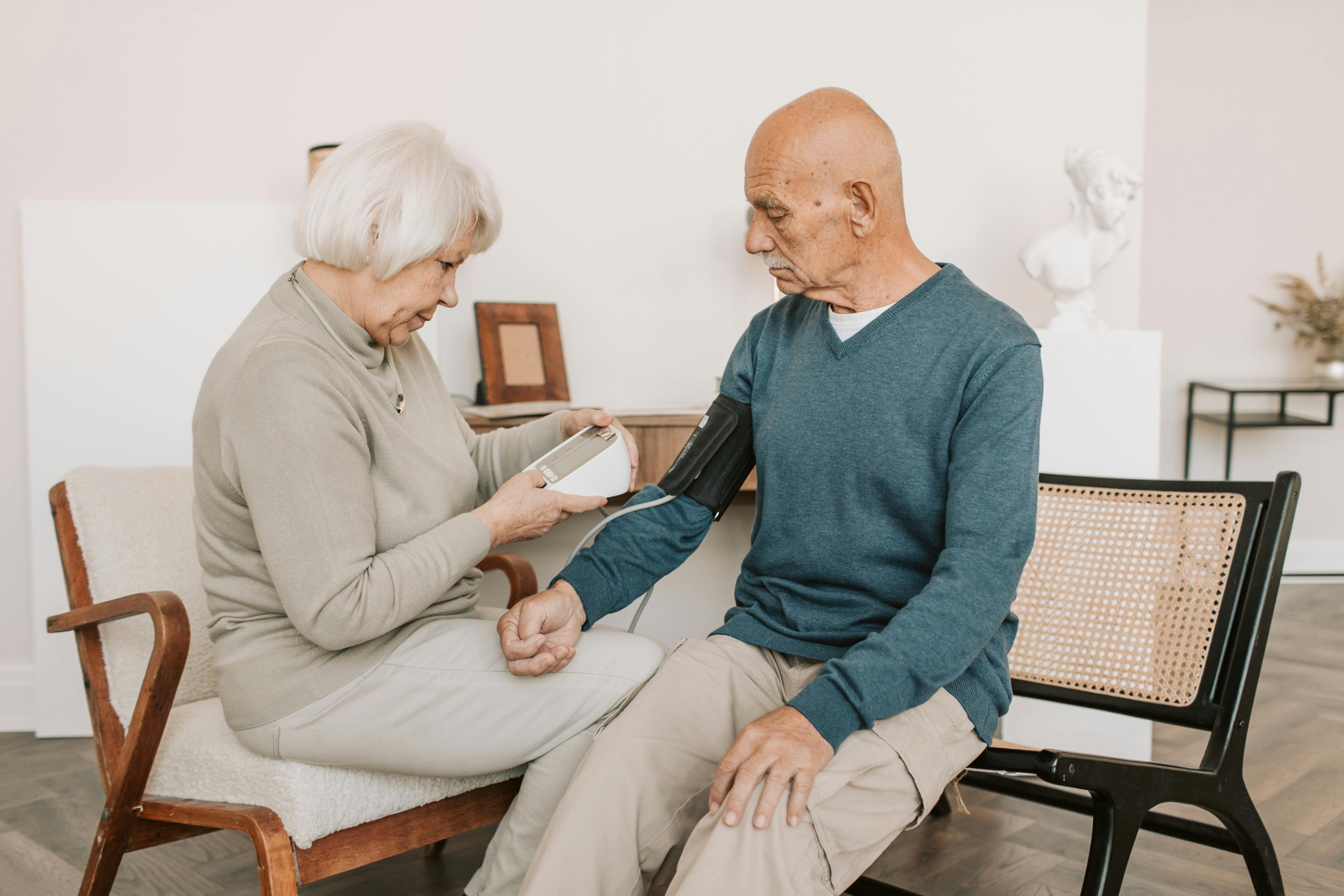
Take measurements twice a day, in the morning and the evening, for 7 days. Take 2 measurements one minute apart each time. Sit quietly for 5 minutes before measuring. Put the cuff on the upper arm. Always use the same arm and ensure it is supported and at heart level. Keep your feet flat and your back supported. Avoid caffeine, exercise, and smoking for 30 minutes before measuring. Make sure your bladder is empty.
What Your Numbers Mean
Normal (less than 120/80)
Your blood pressure is in a healthy range. Keep up your current healthy habits and check your blood pressure regularly to make sure it stays in this range.
Elevated (120-129/ less than 80)
Your blood pressure is higher than normal. This means you are at risk for developing high blood pressure. Now is a good time to begin healthy habits.
High blood pressure - Stage 1 (130-139/80-89)
You might need to make lifestyle changes and, in some cases, take medication, especially if you have diabetes or heart disease.
High blood pressure - Stage 2 (140/90 or higher)
You will likely need both medication and lifestyle changes to lower your numbers.
Dangerously high ( more than 180/120)
This is serious. Call your doctor immediately. If you have chest pain, trouble breathing, confusion, or weakness, seek emergency care right away.
Common Questions
Why do readings vary during the day?
Blood pressure changes during the day and in different situations. It's typically lower when you're relaxed and higher during activity or stress. Some have higher readings at the doctor's office ("white coat syndrome"); others have normal readings there but higher at home. Measuring at home gives a better sense of your usual blood pressure.
When is the best time to take readings?
Measure twice daily—once in the morning and once in the evening. Try to measure at roughly the same times each day for the most consistent tracking.
What lifestyle changes are recommended?
Eat less salt
Move more each day
Lose weight
Limit alcohol intake
Choose a heart-healthy diet
Stay smoke-free
Start with one small change, like swapping salty snacks for fruit or nuts.
What does one reading mean vs a pattern?
Don't worry about one high reading. Look for patterns over several days. Consistently high readings over 3-7 days are more meaningful than a single spike. Your app helps you track these patterns over time.
What if only one of my numbers is high?
If either of the numbers in your reading is high, you have high blood pressure. For example, if the top number is 145 and the bottom is 75, that's still Stage 2. Or if top is 118 and bottom is 92, that's still Stage 1. Use whichever category is higher to determine your blood pressure level. Both numbers put strain on your heart and vessels, so both matter for your health. Don't dismiss high blood pressure because one number looks normal.
Do I still have hypertension if my numbers are normal on medication?
Yes, you still have hypertension. Medication controls it, but it doesn't cure it. Like wearing glasses - you still have vision problems, the glasses just correct them. The numbers are normal because the medication is working and would likely rise again if you stopped the medication. So, never stop medication on your own; always talk to your doctor first. Some people can reduce or stop medication with major lifestyle changes and doctor approval. This must happen gradually under close medical supervision.
Taking Action
Check your blood pressure regularly and track your results. Share your readings with your doctor at each visit. Recognising patterns early helps you take action and protect your health. Set a reminder to measure daily and stay informed.
DISCLAIMER
"This information is for educational purposes only and does not replace professional medical advice. If you have concerns about your blood pressure, consult your healthcare provider."
PROJECT BRIEF |
|---|
Client Type: Health tech app (blood pressure monitor) Audience: Adults 40-65, general public Purpose: In-app patient education content Word Count: 800-1,000 words Reading Level: Grade 8-9 Compliance: TGA-compliant, educational only Tone: Professional but approachable, empowering Note: This is a portfolio demonstration piece. The brief was self-developed to showcase my approach to patient education content for health technology platforms and reflects typical project parameters in this sector. |